Cross-platform medicine cabinet that tracks expiries and checks medications against live FDA recall data, with a free-to-Pro funnel built in from day one. iOS, Android, and a web admin panel, shipped on FlutterFlow.
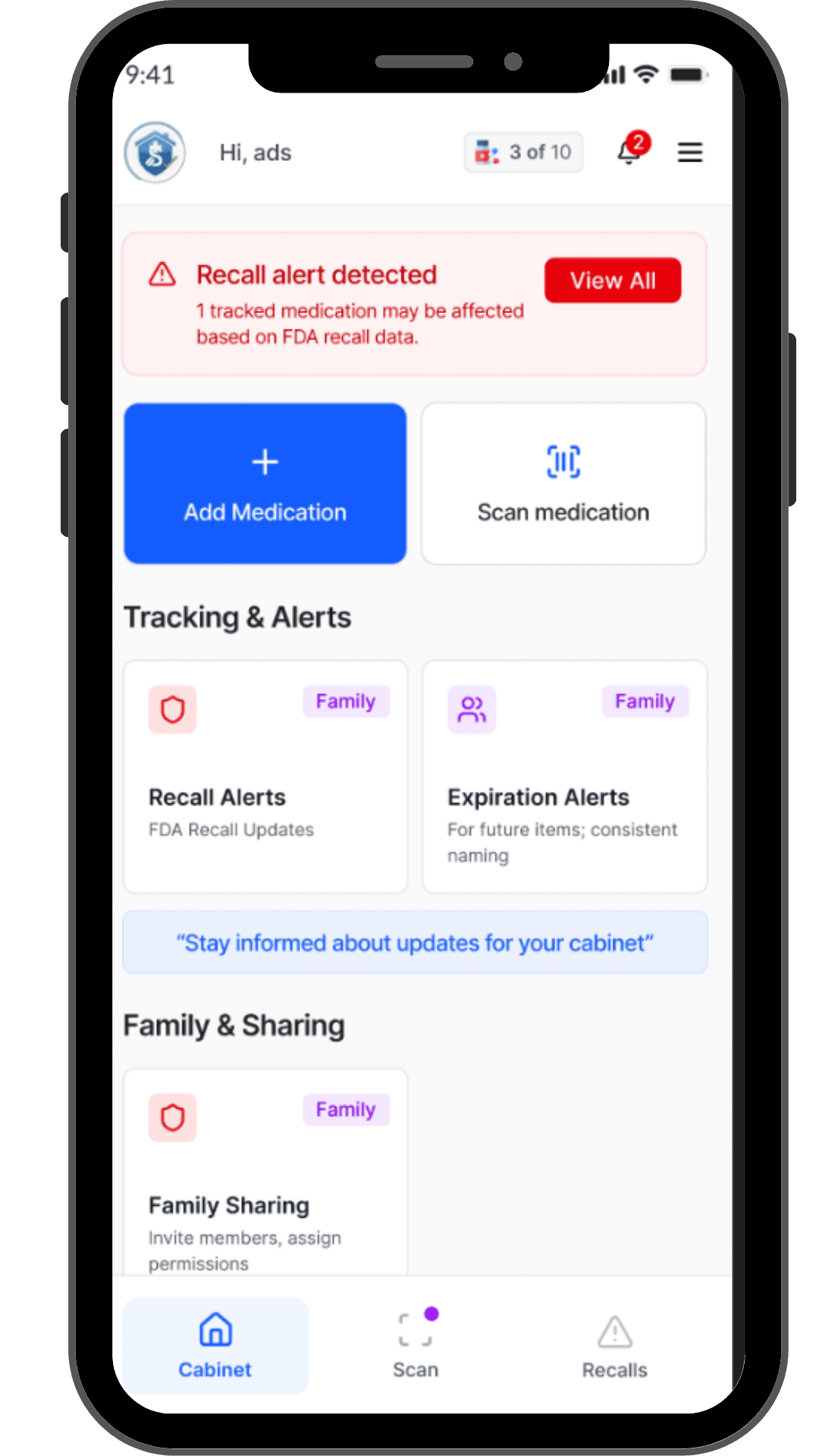
Most homes have a medicine cabinet full of unknowns. Half-used boxes, old prescriptions, and bottles nobody has checked in years. Some are expired. A few may have been recalled. SafeCabinet was built to take that risk seriously and make it manageable for an ordinary family.
The goal was a cross-platform app that tracks what is in the cabinet, warns before things expire, and checks medications against live FDA recall data. iOS, Android, and a web based admin panel, all shipped on FlutterFlow.
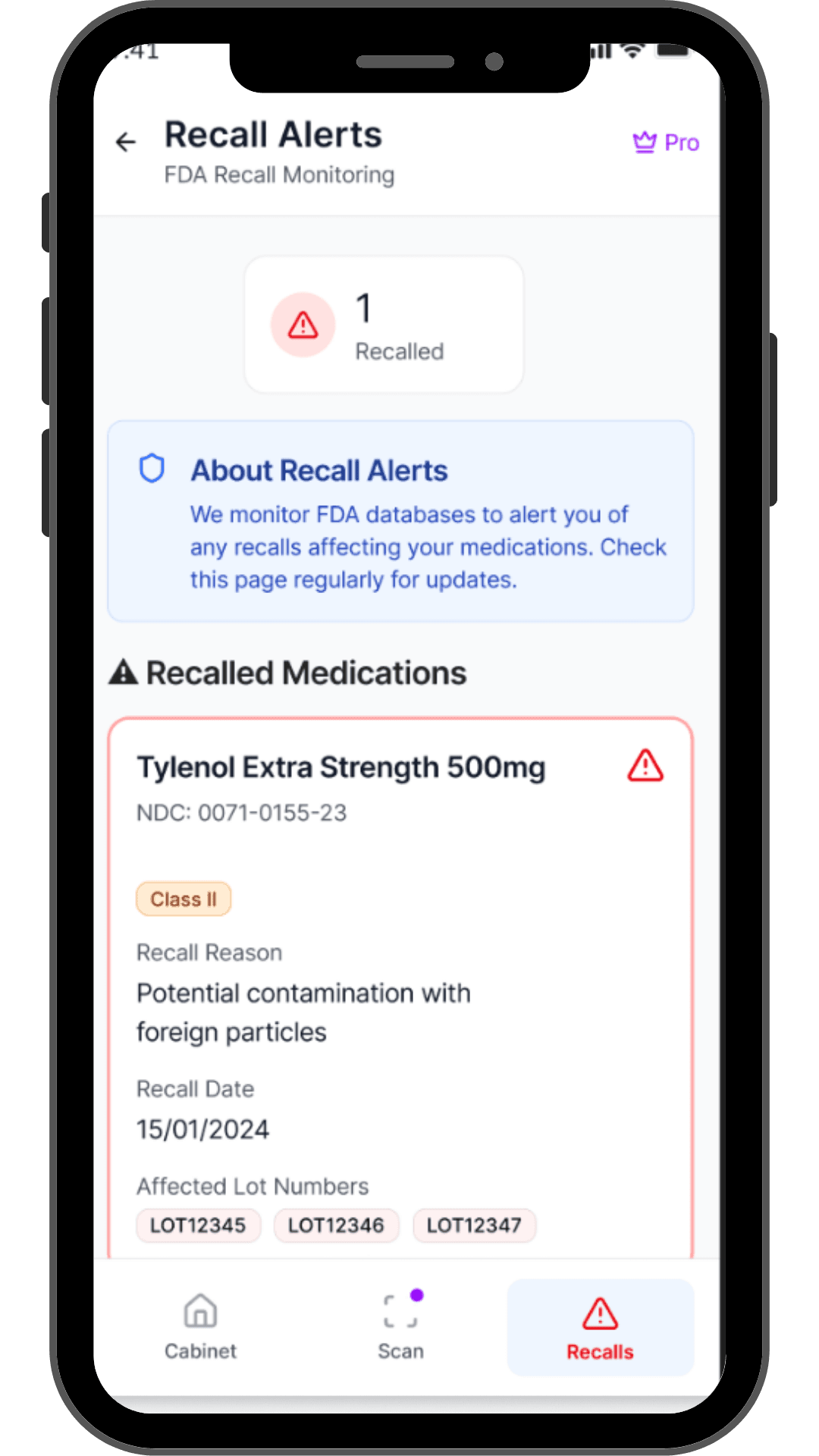
A medicine cabinet is the last place you want a nasty surprise, yet it is the one place nobody keeps an inventory. Expiry dates get missed. Recalls get announced and never reach the people holding the affected lot. The information exists in public FDA data, but no one is checking it against their own shelf.
The business model was set early. A free tier to bring people in, and a Pro subscription for the safety features that do the real work. That meant the paywall had to be part of the plan from the start, not bolted on at the end.
Aumadi delivered the full build, the iOS and Android apps plus a web based admin panel for oversight.
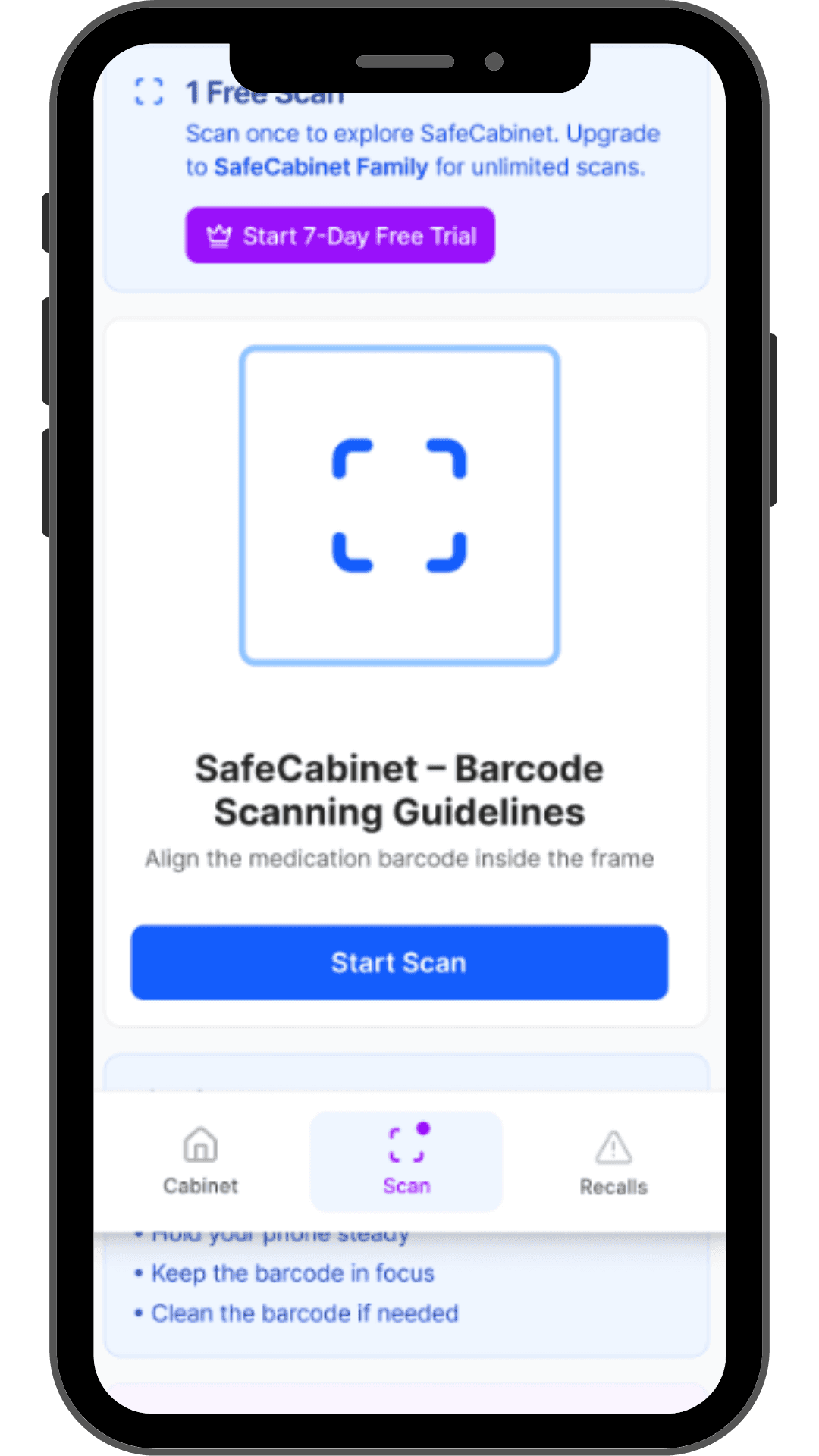
FlutterFlow made it possible to launch on both stores from one codebase. Supabase handled data and auth, Firebase and OneSignal handled notifications, and RevenueCat handled subscriptions across platforms without custom billing code. The standout integration was FDA data, which powers both barcode scanning to add a medication and the live recall checks behind Recall Guard.
The UX philosophy was clarity under pressure. The dashboard shows at a glance what is expiring soon, what has been recalled, and what is fine. The free tier was designed to convert, showing a blurred recall warning that makes the value of Pro obvious without giving it away.
Discovery and planning. We mapped the free and Pro tiers before design started, so the paywall was part of the plan rather than an afterthought. The key decisions were which features justified a subscription and how FDA data would flow through the app.
Design. Everything pointed at the dashboard. It had to turn a messy cabinet into a simple, color-coded read on what needs attention. The rest of the app was built to keep that clarity all the way through.
Development. FlutterFlow carried the front end across iOS and Android, with Supabase as the backend. Core features:
A web admin panel was built in parallel for oversight.
Testing. We tested across both mobile platforms, focusing on the flows that carry the most weight: adding and scanning items, firing alerts at the right time, and moving cleanly through the trial and paywall.
Launch. SafeCabinet shipped to the App Store and Google Play together, with the full feature set live on day one.
The outcome. SafeCabinet is live on both stores. The free to Pro funnel and the admin panel are in place, ready to grow the user base.
A medicine cabinet is the last place you want a nasty surprise. SafeCabinet makes sure you get the warning first.
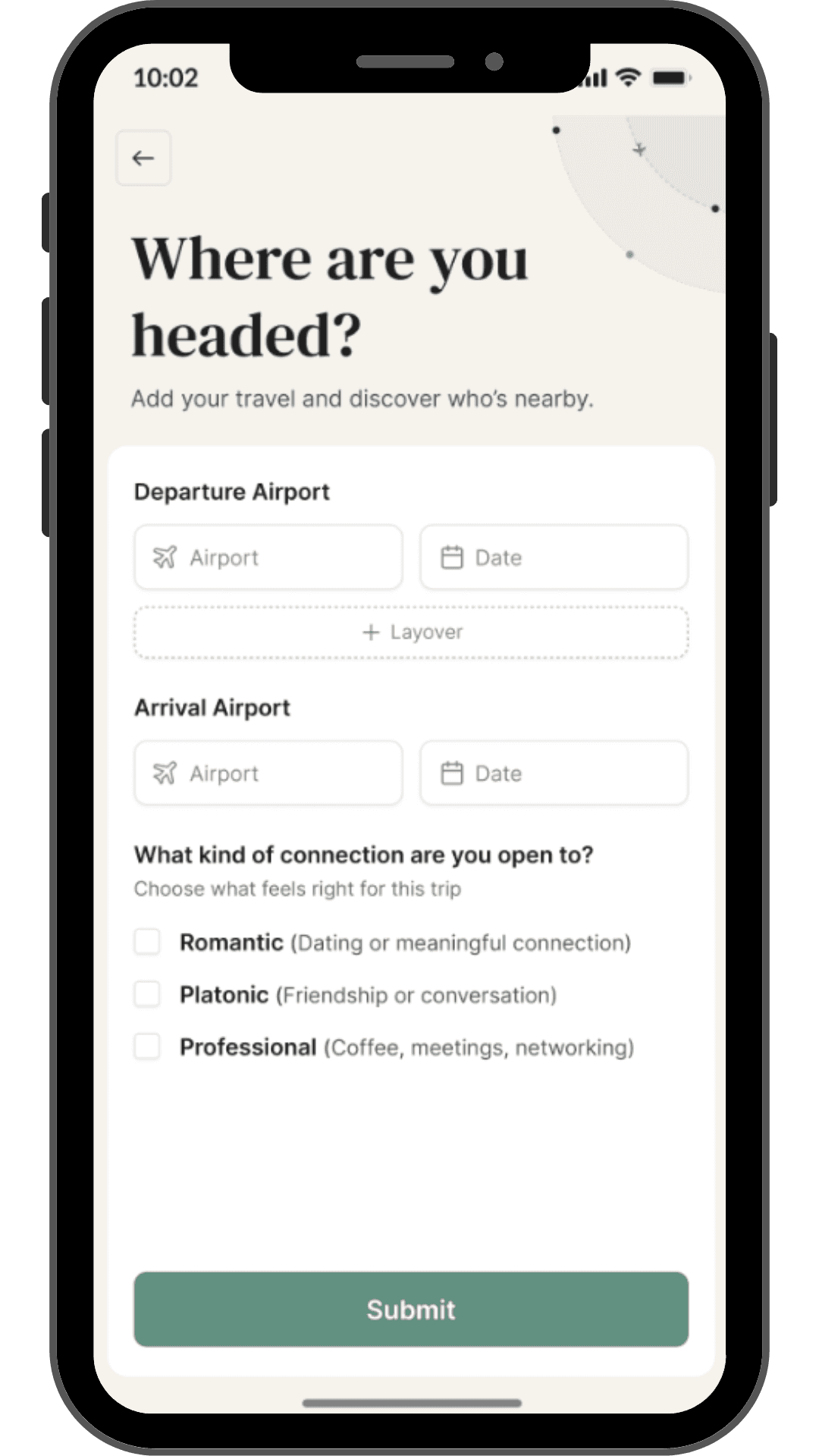
Cross-platform travel app that matches people whose airport and time window overlap, for dating, friendship, or business. Mutual-consent connections and safety built into the core, wrapped in a premium aviation aesthetic. iOS, Android, and a web admin console, shipped on FlutterFlow.
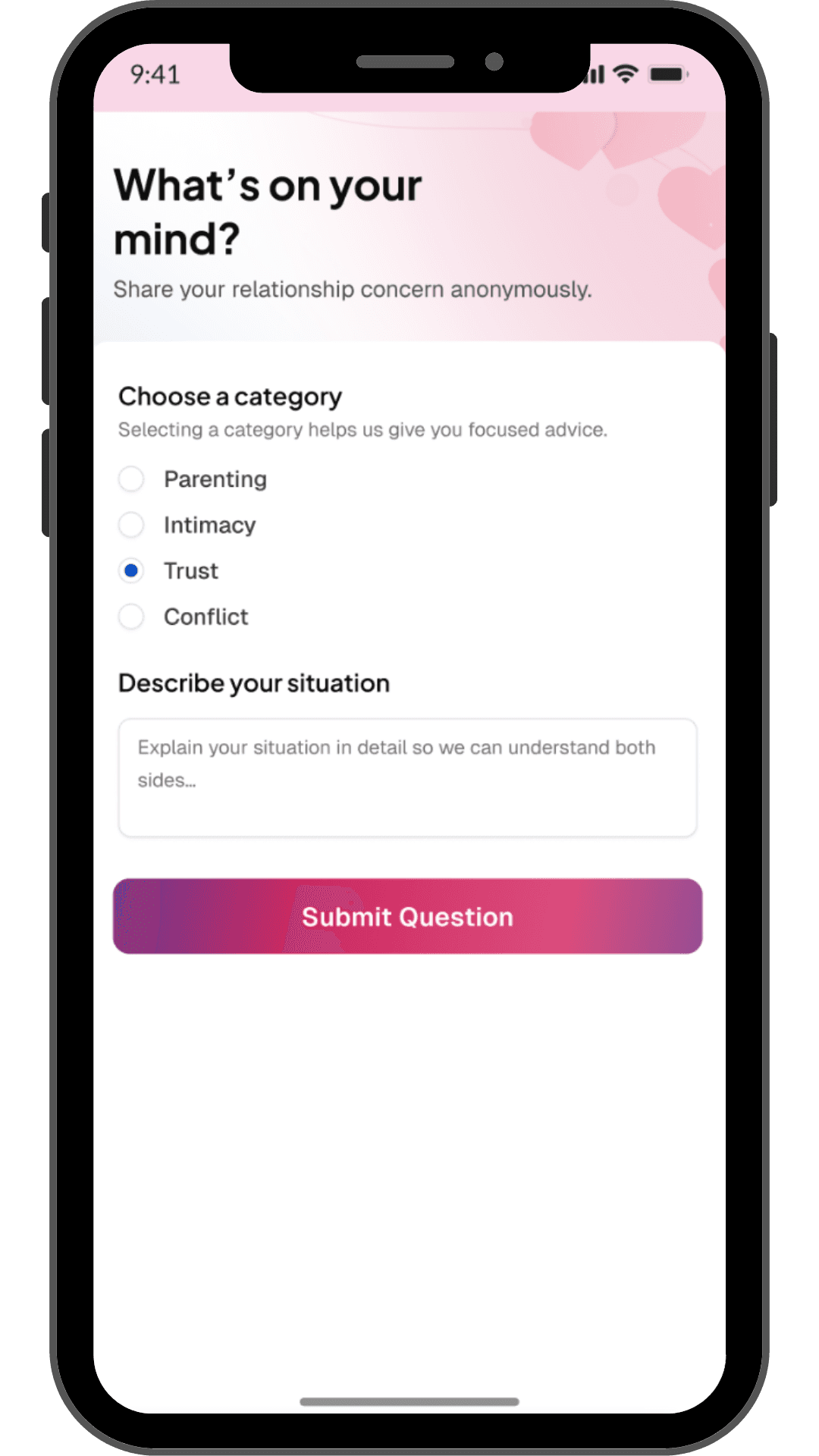
Anonymous relationship advice app where every question gets two answers from a married couple, one from a man and one from a woman, side by side. A focused iOS MVP shipped on FlutterFlow with the paid tier built in from the start.
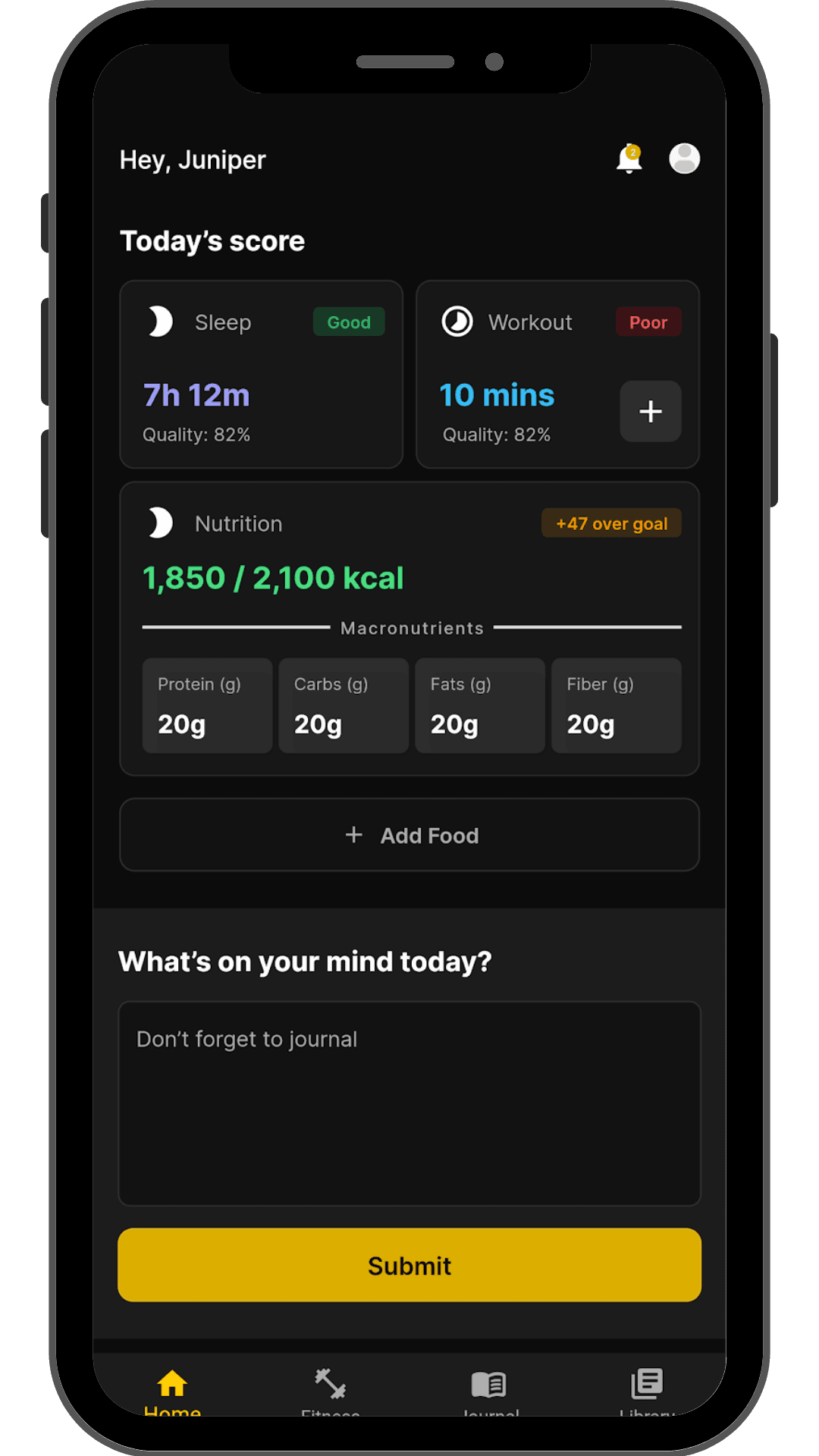
A personal operating system that holds goals, sleep, nutrition, training, and reflection in one place, then uses Claude to read across all of it. iOS, Android, and a web admin portal, shipped on FlutterFlow with a premium tier built in. 20% of users on paid plans, 80% of them annual.
30-minute discovery call. Scope, timeline, and fixed quote out the other side. No strings attached.
